When you invest in your vehicle’s appearance, the last thing you want is for Oregon’s rain, sun, and road debris to undo all that effort. That’s where Paint Protection Film (PPF) steps in, a nearly invisible shield that guards your car’s paint against rock chips, scratches, bird droppings, and more. But if you’re wondering how long paint protection film lasts in a climate like Oregon’s, you’re asking the right question, because longevity varies depending on several crucial factors.
Let’s explore the real-world durability of PPF, especially for car owners in Happy Valley and throughout the Pacific Northwest.
The Basics of PPF: A Clear Shield for Your Car's Paint
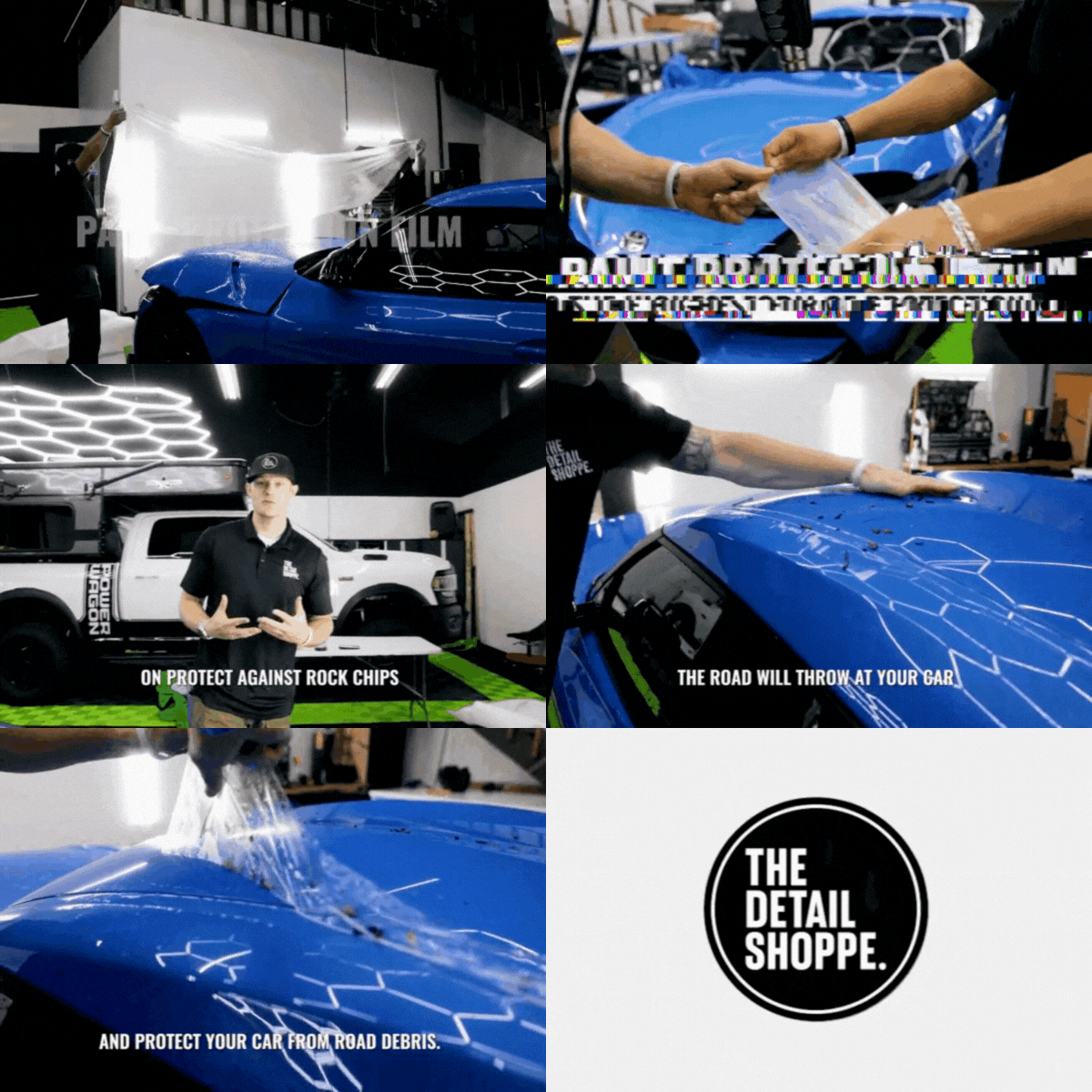
Paint Protection Film (PPF) is a transparent, durable urethane film that acts as a barrier between your vehicle’s paint and the elements. Often called a clear bra, it’s commonly applied to high-impact zones like the hood, fenders, bumpers, side mirrors, and even door edges or handles, areas most vulnerable to damage.
PPF shields against rock chips, scratches, bug splatter, bird droppings, and harmful UV rays, helping your vehicle retain its showroom shine. Advanced films, such as those offered by The Detail Shoppe in Happy Valley, feature self-healing topcoats that repair light scratches with heat, as well as hydrophobic properties that repel water, dirt, and grime.
Modern PPF is virtually invisible, preserves your factory paint, and can even be removed or replaced without harming the original finish, making it a smart long-term investment for both appearance and resale value.
How Long Does Paint Protection Film Typically Last?
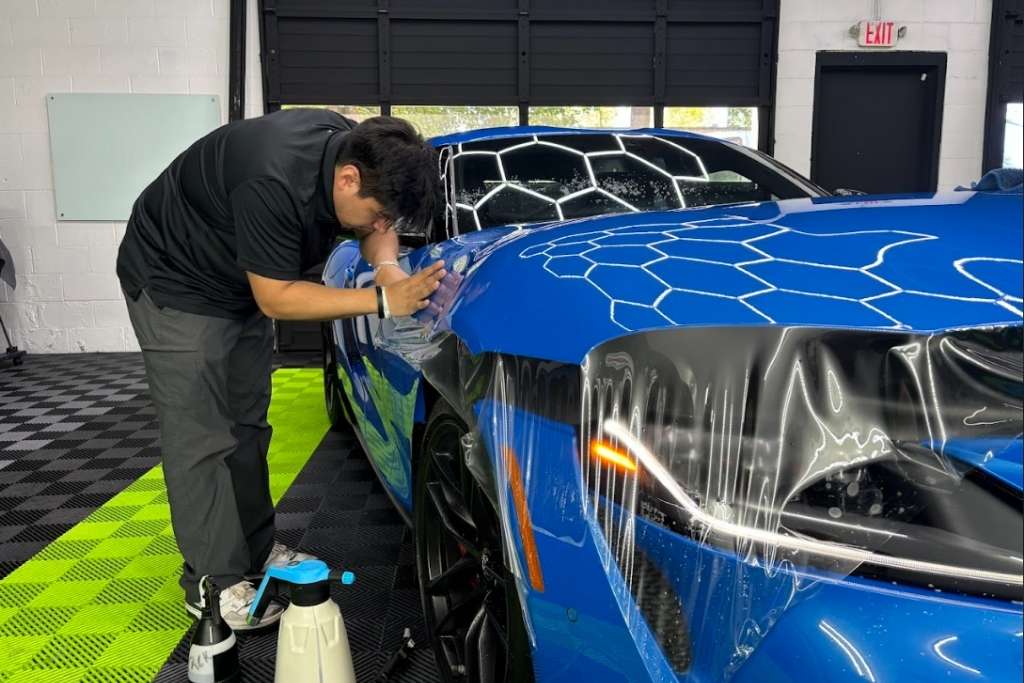
On average, paint protection film lasts 5 to 10 years, though premium films can exceed that with the right care. In ideal conditions, especially when paired with expert installation and a dedicated maintenance routine, high-quality PPF can last well over a decade.
Key Factors That Influence Longevity:
- Film Quality – High-grade TPU (thermoplastic polyurethane) films are engineered for durability, clarity retention, and resistance to yellowing or cracking.
- Installation Technique – A precise, professional application ensures full surface coverage, eliminates bubbles or edge lifting, and maximizes adhesion.
- Climate Exposure – Oregon’s mix of UV rays, rain, and humidity can accelerate wear if not properly accounted for.
- Driving Habits – Frequent highway or rural road driving exposes the film to gravel, debris, and other harsh conditions.
- Maintenance Routine – Regular, gentle washing and the avoidance of harsh chemicals are essential for preventing premature degradation.
Even in Oregon’s climate, with a premium PPF and proper maintenance, you can realistically expect up to 10 years of reliable protection for your vehicle’s paint.
What Affects PPF Lifespan in Oregon's Climate?
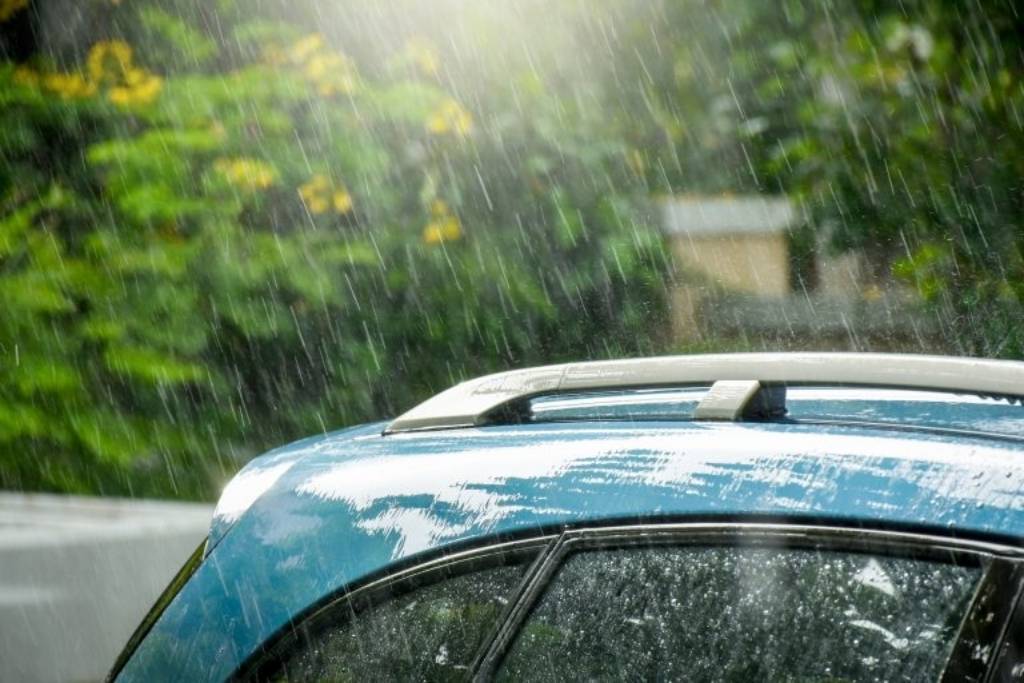
Oregon’s unique weather patterns and road conditions can influence how long your paint protection film lasts. While PPF is built to endure, specific regional factors can accelerate wear, especially if not properly installed or maintained.
1. Rain and Humidity
Moisture is a year-round challenge in Oregon. The frequent rain and damp conditions can lead to water intrusion under poorly installed film, weakening adhesion and causing bubbling or peeling. This is why professional installation is critical; it ensures that edges are sealed and that surfaces are clean and dry before application.
2. UV Exposure and Weather Extremes
Though Oregon has more overcast days than many states, UV rays still penetrate cloud cover. Over time, this exposure can lead to film yellowing, brittleness, and surface degradation, particularly with low-quality films. Thankfully, today’s advanced PPF products offer strong UV resistance, significantly reducing sun-induced wear.
3. Road Conditions
Oregon’s diverse terrain includes everything from urban traffic to gravel-covered backroads. These roads expose your car to grit, salt, and flying debris, all of which can cause physical damage to your car’s finish. PPF acts as a protective barrier, absorbing these impacts and preventing costly paint repairs.
For a deeper look at how PPF handles this kind of abuse, see this guide on preventing rock chips in Happy Valley.
Quality Makes All the Difference
Choosing the Right Film
Not all paint protection films are created equal. Top-tier TPU-based films (thermoplastic polyurethane) are known for their optical clarity, self-healing properties, and long-term durability. They resist yellowing, cracking, and peeling, even in Oregon’s wet, variable climate. In contrast, lower-cost PVC films may look appealing at first but often lack elasticity, fade quickly, and can begin to degrade within just a few years, leading to higher long-term costs.
Investing in a premium film not only enhances protection but also maintains your vehicle’s appearance and value.
The Detail Shoppe’s Expertise
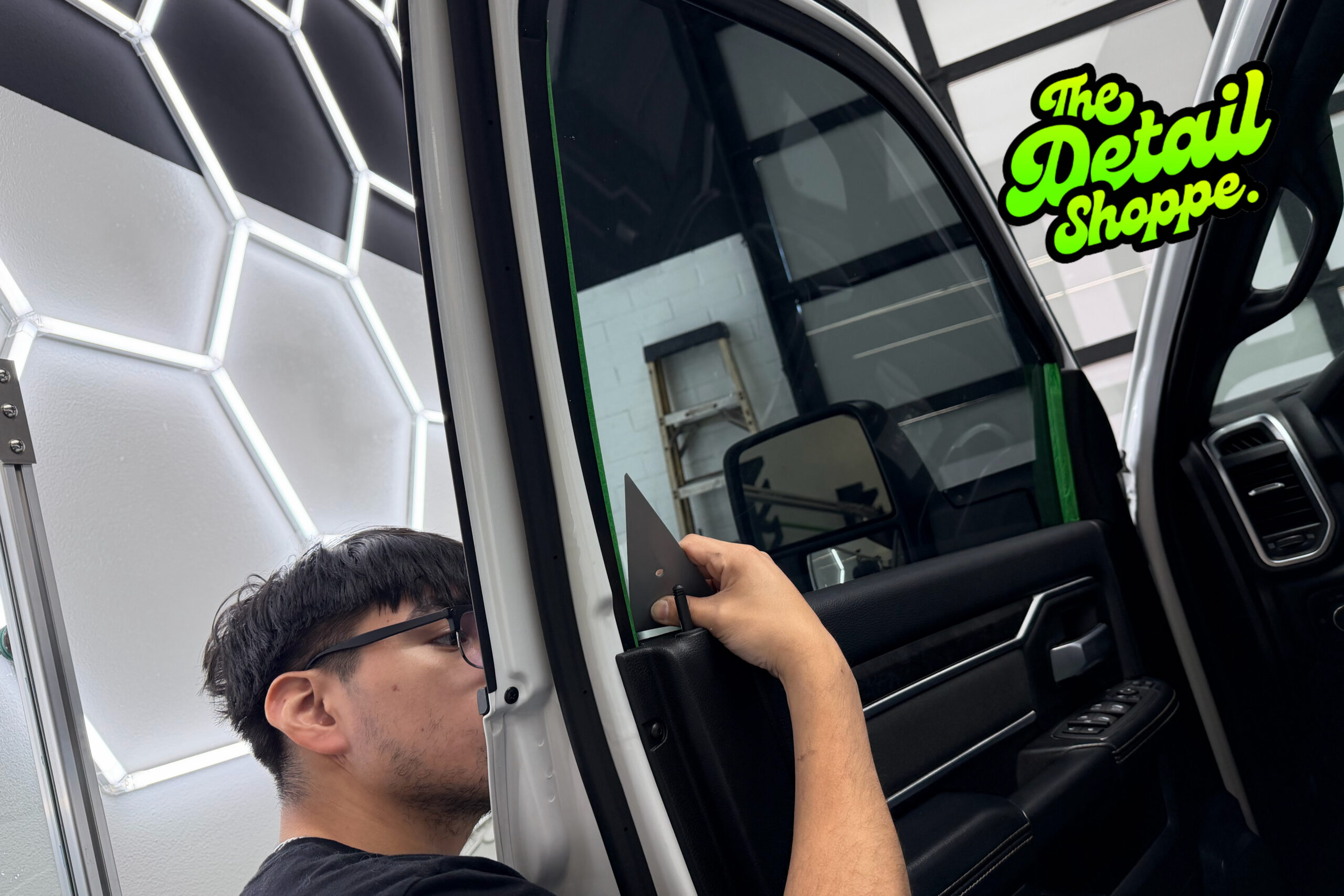
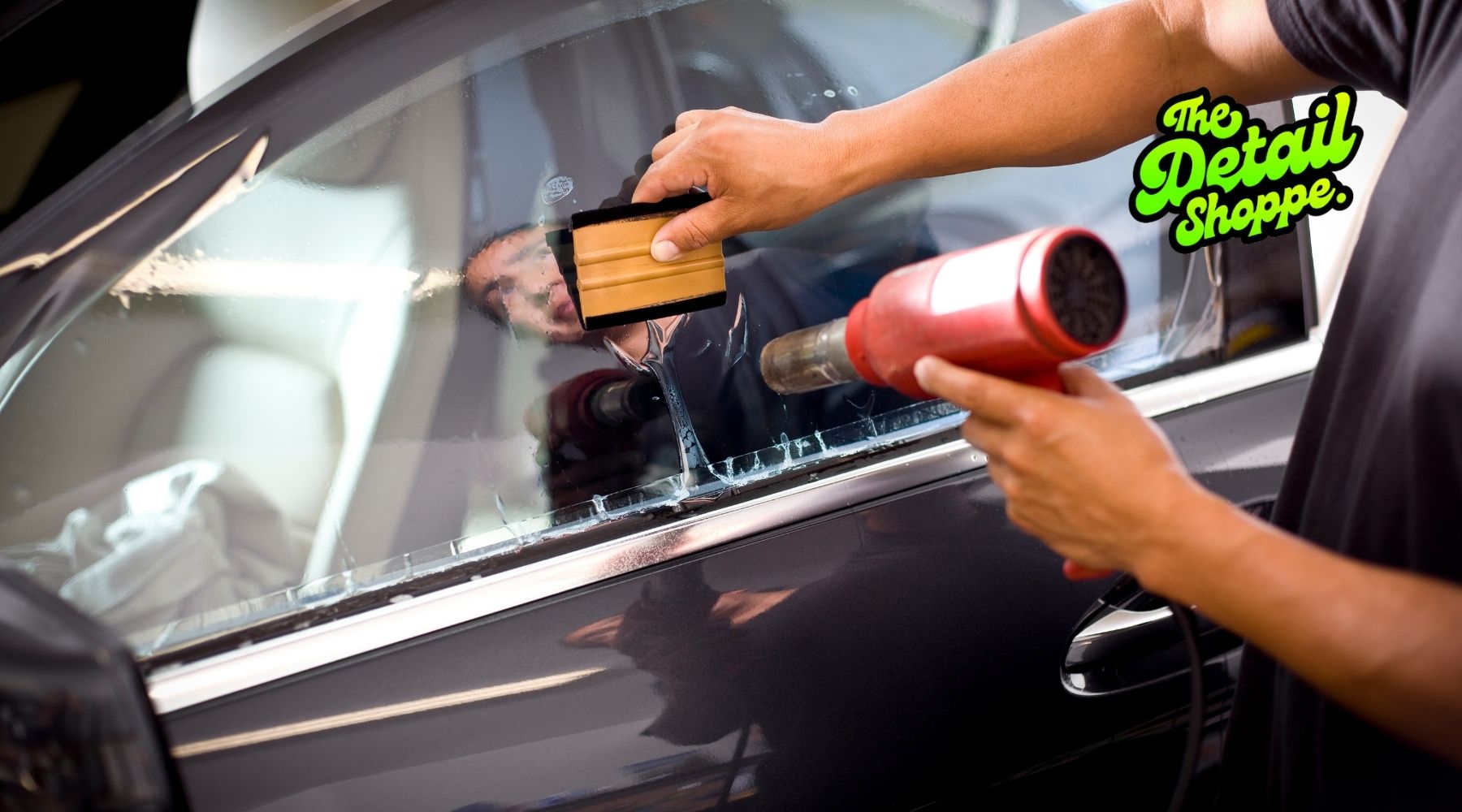
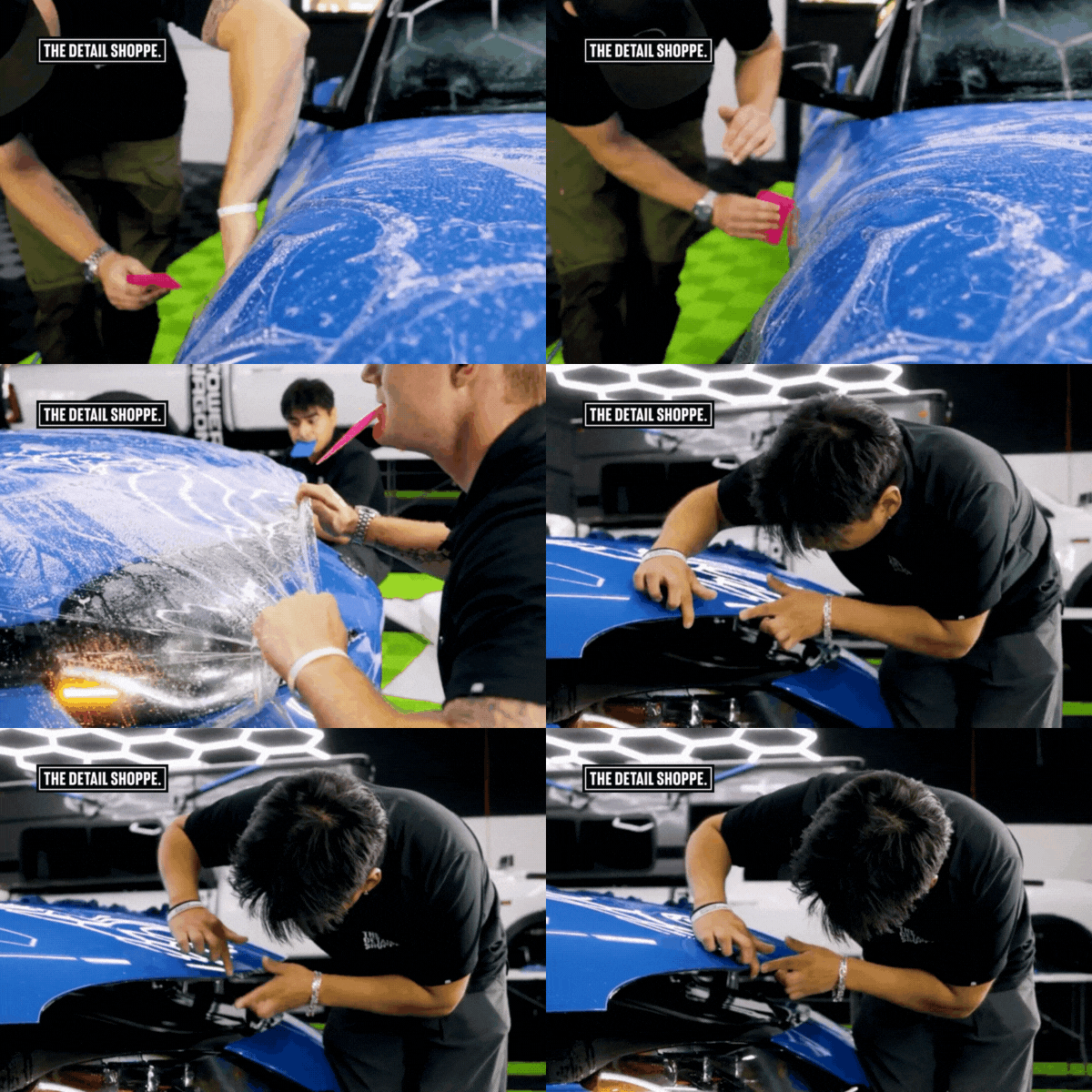
At The Detail Shoppe, expert installers apply PPF with precision, paying close attention to fit, finish, and flawless edge wrapping. Their team uses industry-leading films and follows meticulous preparation methods to ensure maximum adhesion and a seamless, bubble-free result.
Whether you’re looking for targeted coverage (Partial Front, High Impact Areas) or complete protection (Full Front or Full Body), The Detail Shoppe offers tailored packages to meet every need. Each package is designed not only to shield your vehicle but to enhance its visual appeal.
Elevate Your Ride With

How to Maximize the Lifespan of Your Paint Protection Film
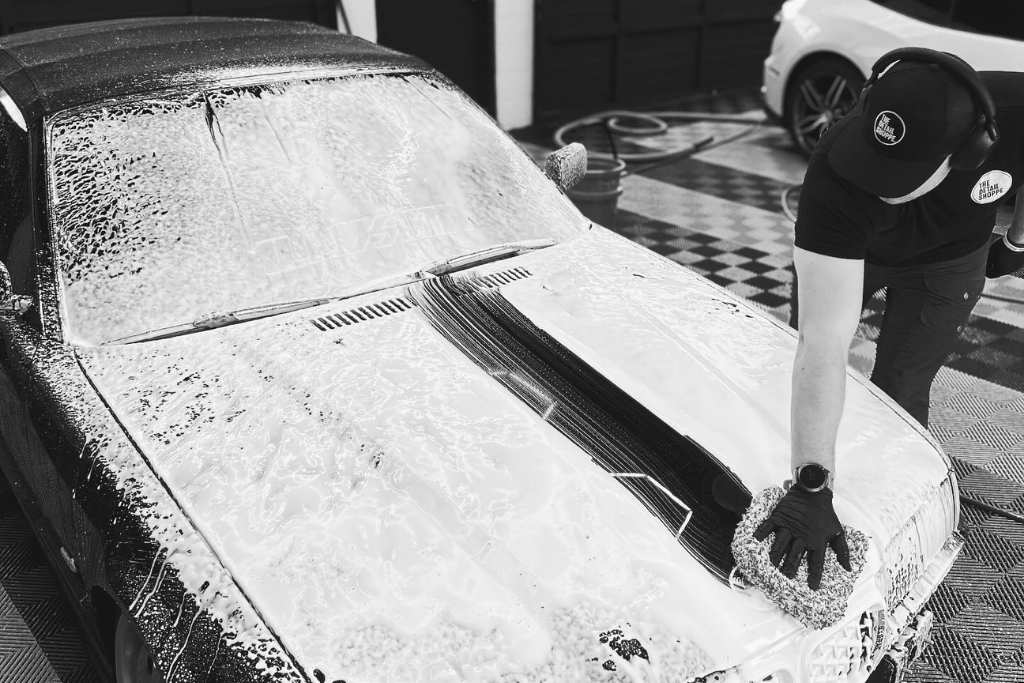
Getting the most out of your PPF doesn’t end with installation; consistent aftercare is key to extending its lifespan and keeping your car looking its best. Proper maintenance not only preserves the film’s appearance but also helps retain its protective qualities over time.
Here are some smart habits to adopt:
- Wash regularly with pH-neutral automotive soap and a soft microfiber mitt to remove dirt, road grime, and environmental contaminants without scratching the film.
- Avoid abrasive cleaners, pressure washers, or automatic car washes with harsh brushes, as these can damage or lift the film.
- Park in garages or shaded areas whenever possible to reduce prolonged UV exposure and heat buildup, which can prematurely age the film.
- Dry the film thoroughly after washing to prevent water spots and ensure moisture doesn’t collect around the edges.
- Inspect regularly for signs of edge lifting, bubbling, or embedded debris, especially after long trips or extreme weather.
- Avoid waxing or polishing unless the product is film-safe. Want clarity? Check out this PPF waxing guide for do’s and don’ts.
For a comprehensive look at caring for your PPF in Oregon’s climate, visit this detailed PPF maintenance guide for Happy Valley drivers.
When Should You Replace Paint Protection Film?
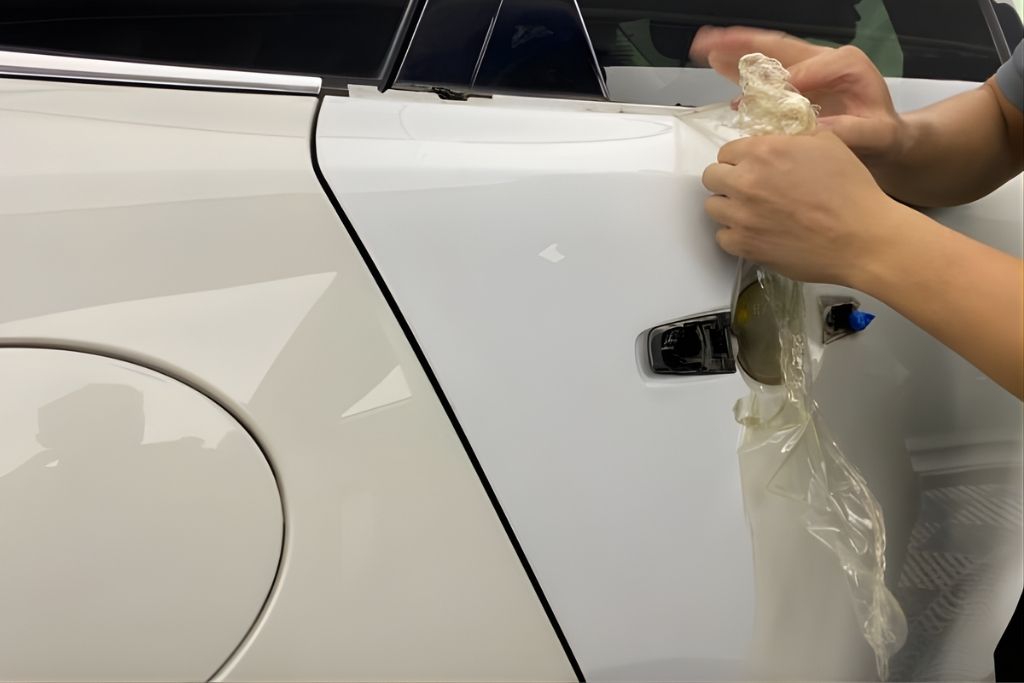
No matter how well you care for it, paint protection film has a natural lifespan. Most premium PPF products come with warranties ranging from 7 to 10 years, which aligns with their expected durability under typical use. After this period, signs like fading, yellowing, reduced gloss, or edge lifting may begin to appear.
You might also notice that the film no longer self-heals as effectively or that contaminants are harder to wash off, both signs that it’s nearing the end of its life.
While it may still offer some protection, an aging or damaged film compromises your vehicle’s appearance and may not perform as well under environmental stress. Replacing it ensures your car maintains both its visual appeal and protective barrier, particularly important if you’re looking to retain or boost resale value.
Think of it as renewing your vehicle’s armor, keeping it fresh, flawless, and protected for years to come.
Final Thoughts: Is PPF a Smart Investment for Oregon Drivers?
In Oregon, with its ever-changing weather, road grit, and UV exposure, paint protection film isn’t just a cosmetic upgrade. It’s a long-term investment in preserving your vehicle’s appearance, value, and integrity.
When installed and maintained properly, paint protection film can last 7 to 10 years or more in Happy Valley’s climate. Choose a reputable installer like The Detail Shoppe, follow expert maintenance practices, and your car’s finish will thank you for years to come.
FAQ: Common Questions About PPF Longevity
How long does paint protection film last on a car?
Typically, 5–10 years, depending on film quality, installation, and care.
Why does film quality matter?
Higher-quality materials offer better UV resistance, clarity retention, and durability.
Does installation quality affect how long PPF lasts?
Absolutely. Poor installation leads to bubbling, peeling, or reduced adhesion, all of which shorten lifespan.
Is PPF worth it in rainy or humid areas like Oregon?
Yes, especially when paired with expert installation and proper care, PPF can thrive in Oregon’s climate.
How often should PPF be replaced?
Generally, every 7–10 years, or sooner if damage, discoloration, or wear becomes noticeable.
Want to learn about combining protection options? Read about combining ceramic coating with PPF for even better results.