
At The Detail Shoppe, we hear the same question all the time: what do window tint percentages actually mean? For many local drivers, Window Tint Percentages can seem confusing at first, but the number on the film affects more than style. It changes how much light comes through the glass, how comfortable the cabin feels, how easy it is to see in bright sun or after dark, and whether the setup fits Oregon rules. For drivers researching window tinting in Happy Valley, we believe the best way to understand Window Tint Percentages is to look at VLT, visibility, and comfort together.
What Do Window Tint Percentages Actually Mean?
When we explain Window Tint Percentages, we start with VLT, or visible light transmission. VLT percentage tells you how much visible light passes through the finished window. A higher percentage means a lighter tint. A lower percentage means a darker tint. So 50% tint lets in more light than 20% tint, while 5% tint is far darker than either one.
In practical terms, 50% usually looks light and subtle. Thirty-five percent gives the glass a noticeably darker appearance while still feeling usable for many daily drivers. Twenty percent creates more privacy and a deeper shade. Five percent, often called limo tint, is extremely dark and can make outward visibility much harder in low-light conditions. One detail that matters in Oregon is that factory glass affects the final reading, so the installed window may meter differently than the film label alone. Oregon’s rules focus on total light transmittance through the completed window, not only the film by itself. That is one reason Window Tint Percentages should always be discussed in terms of the finished glass.
Why Does VLT Matter When Choosing Window Tint?
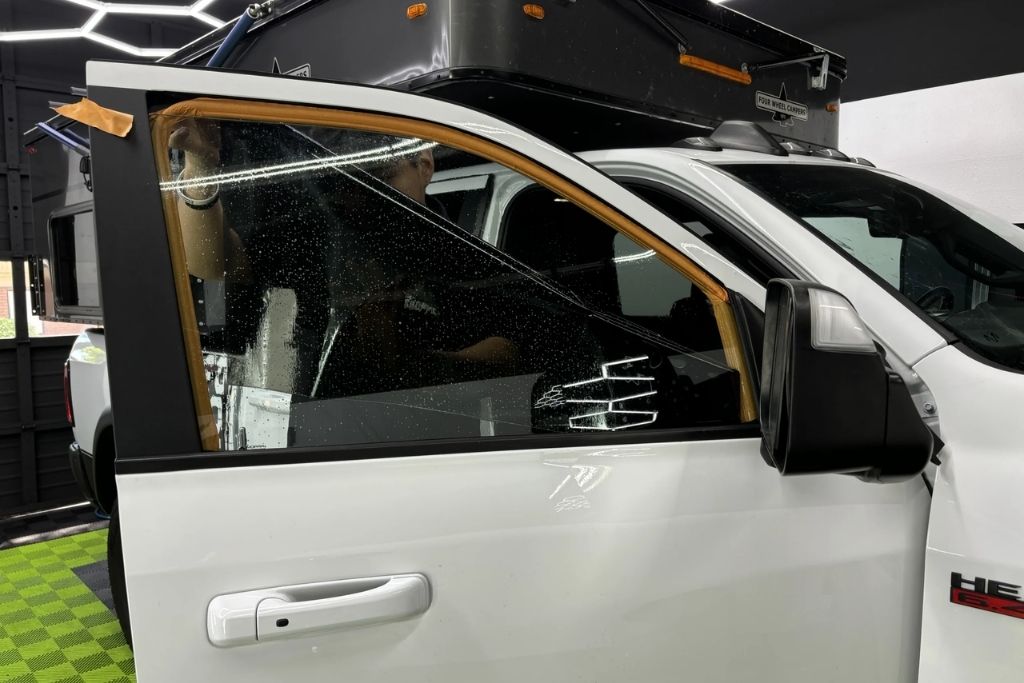
VLT matters because it changes appearance, visibility, and comfort at the same time. Darker tint creates a stronger privacy effect and a bolder look from the outside. Lighter tint keeps the vehicle more open-looking and can feel easier to live with if you drive often at night.
Comfort is where many drivers are surprised. Tint darkness helps with brightness, but heat rejection is not only about going darker. On our window tint service page, we explain that our carbon and ceramic packages are designed to reduce glare, block UV rays, and keep interiors cooler. A lighter high-performance film can sometimes feel more comfortable than a darker lower-grade one because it manages solar energy more effectively. That is a big part of Window Tint Percentages Explained the right way.
Window Tint VLT Explained by Real-World Driving Feel
The easiest way to understand Window Tint Percentages is to connect them to everyday driving around Happy Valley.
50% VLT: light, simple, and easy to live with
Fifty percent is a good option for drivers who want a subtle look and better glare control without making the glass feel too dark.
35% VLT: the all-around balance point
For many drivers, 35% feels like the sweet spot. It gives the car a cleaner, darker finish, improves glare control, and adds privacy without pushing visibility too far for everyday use. When people ask us about Window Tint Percentages and the best window tint percentage for visibility and comfort together, this is often where the conversation begins.
20% VLT: stronger privacy with more tradeoffs
Twenty percent creates a more dramatic look and stronger privacy. It can feel great during sunny daytime driving, but it usually becomes more noticeable at night, especially on darker roads or in rainy weather.
5% VLT: maximum darkness
Five percent delivers the boldest appearance and the most privacy, but it is far less forgiving after sunset. For daily driving, especially in Oregon weather, it can make low-light visibility difficult. In other words, Window Tint Percentages are really about tradeoffs, not just appearance.
How Does Window Tint Percentage Affect Daytime Visibility?
During the day, darker tint can feel comfortable because it softens overall brightness and reduces glare from direct sun, reflective pavement, and light bouncing off other vehicles.
Still, darker does not automatically mean better. Film quality also matters. A premium ceramic film can improve optical clarity and comfort without forcing you into the darkest tint darkness level. We covered the safety side of this more closely in our article on reducing glare and improving safety with car window tint. As we see it, Window Tint Percentages only make sense when glare control and clear visibility are both part of the conversation.
Elevate Your Ride With

How Does Window Tint Percentage Affect Night Driving?
Night driving is where percentage choices become more serious. As VLT goes down, less light reaches your eyes from outside the vehicle. That may not seem dramatic in a bright parking lot, but it can be obvious on back roads, during rain, or when reversing in dim areas.
This is why we encourage drivers to think about their real habits before choosing a shade. If you commute early, drive home late, or spend time on poorly lit roads, a lighter film may give you a better balance of comfort and confidence. Oregon’s own safety guidance highlights dark tinted windows as a safety concern, which reinforces why visibility should be part of the decision. For us, this is one of the most important parts of Window Tint Percentages Explained for Oregon drivers.
Legal Window Tint Oregon Drivers Should Know
When we discuss Window Tint Percentages with Happy Valley drivers, we always talk about the legal side clearly. The Oregon Department of Transportation says passenger vehicle windows must have total light transmittance of at least 35% after tint is installed. The state also says trucks and SUVs may have darker tint behind the driver if they have outside mirrors on each side. Installers are required to provide a certificate showing tint transmittance, reflectance, and total light transmittance, and a noncompliant vehicle may be subject to a $360 fine.
That legal standard is the reason a film labeled 35% does not automatically mean the finished window is legal. Factory glass changes the result. Windshield tint is also limited to the top portion of the glass, and drivers with qualifying medical conditions may carry documentation supporting darker tint. For the most current primary guidance, we recommend reviewing the Oregon Department of Transportation window tint brochure and the state’s vehicle equipment standards page. When drivers search for Window Tint Percentages Happy Valley OR, this legal context is often the piece they need most.
How We Help Drivers Choose the Right Tint Shade
At The Detail Shoppe, we do not treat tint like a one-size-fits-all upgrade. Some drivers care most about daytime visibility. Others want more privacy, stronger glare control, or a cooler cabin during summer. Our job is to match the film to the way the vehicle is actually used.
For a driver who spends a lot of time on the road after dark, a lighter film may make more sense. For someone focused on style and privacy, a darker shade may be worth considering where it fits Oregon rules. For drivers who care most about comfort, we often steer the conversation toward film quality, because better heat rejection can matter more than simply choosing the darkest option. That practical approach fits how we position our work: precision window tinting built around quality materials and long-term results.
Final Thoughts on Window Tint Percentages
Understanding Window Tint Percentages makes it easier to choose a film that fits your goals instead of chasing a number that only sounds good on paper. The best setup usually comes down to balancing VLT percentage, visibility, comfort, privacy, and Oregon tint rules. At The Detail Shoppe, we help Happy Valley drivers work through those tradeoffs in a practical way so they can feel confident in the final result. Whether you want stronger glare control, better summer comfort, or a clean look that respects Oregon law, choosing the right tint starts with the right guidance.
When you are ready to compare options for Window Tint Percentages on your own vehicle, you can request a custom quote online or reach us through our contact page.